▶ Chikungunya
Chikungunya fever is an acute insect borne infectious disease caused by the Chikungunya virus (CHIKV), transmitted through Aedes aegypti and Aedes albopictus. Its typical symptoms include sudden high fever (above 39 ℃), severe joint pain, and papules. About 30% -40% of patients will develop chronic joint pain, which lasts for months or even years and seriously affects their quality of life. The World Health Organization (WHO) 2025 guidelines emphasize that the pathological mechanism of chronic chikungunya arthritis is closely related to persistent inflammatory response and autoimmune disorders.
Phase 1: Acute phase (0-10 days of onset)
Core objective: Control virus replication, alleviate acute symptoms, and prevent severe illness.
◆ 01 Pain relief and fever reduction- Preferred medication: Acetaminophen (0.5-1g/time for adults, every 6-8 hours, ≤ 4g per day) has both antipyretic and analgesic effects, with high safety.
- Taboo drugs: Non steroidal anti-inflammatory drugs (NSAIDs) such as ibuprofen and aspirin are prohibited as they may increase the risk of bleeding or induce Reye syndrome.
- Severe pain management: When acetaminophen is ineffective, short-term use of tramadol (50mg/time, every 8 hours) or low-dose opioid drugs should be used, and side effects should be strictly monitored.
- Fluid replacement strategy: Encourage oral fluid replacement (2-3L per day), and intravenous infusion of isotonic fluid (such as Ringer's solution) for vomiting or dehydration to avoid excessive fluid replacement.
- Bleeding management: Rare but cautious, vitamin K can be used for mild bleeding, while severe bleeding requires the use of phenethylamine or Yunnan Baiyao.
Core objective: Inhibit inflammatory response, prevent chronicity, and restore joint function.
01 Drug adjustment- NSAIDs usage: If acetaminophen is not effective, diclofenac sodium (25mg/time, 3 times a day) can be used with caution. Gastrointestinal and bleeding risks should be monitored, and it is recommended to use gastric mucosal protectants (such as omeprazole) in combination. NSAIDs for external use can be used (such as flurbiprofen gel paste, loxoprofen sodium gel paste, etc.)
- Corticosteroids: Short term use of prednisone (10-20mg/day) can control severe inflammation, but it needs to be gradually reduced to avoid long-term dependence.
- Antirheumatic drugs (DMARDs): For patients with positive rheumatoid factor or joint erosion, methotrexate (7.5-15mg/week) or leflunomide (20mg/day) may be considered.
- Cold compress and hot compress: Cold compress during acute swelling period (5 minutes each time, 3 times a day), and hot compress during chronic period to promote blood circulation.
- Low intensity exercise: Swimming, yoga, and other activities can improve joint mobility and avoid excessive weight-bearing.
Core objective: Delaying joint damage, improving quality of life, and managing chronic pain.
01 Long term medication plan- NSAIDs optimization: NSAIDs for external use (such as flurbiprofen gel plaster, loxoprofen sodium gel plaster, etc.) are preferred, and drugs with less gastrointestinal side effects can be selected in combination with proton pump inhibitors.
- Biological agents: Tozumab (IL-6 inhibitor) has been shown to be effective in clinical trials for chronic arthritis, but the risk of infection needs to be rigorously evaluated.
- Physical therapy: Regular massage and acupuncture and moxibustion can relieve muscle tension, and ultrasonic treatment can promote tissue repair.
- Sports rehabilitation: Develop personalized exercise plans to enhance muscle strength and stabilize joints.
- Joint protection: Use assistive tools (such as crutches) to reduce weight and avoid maintaining the same posture for long periods of time.
- Skin care: Apply calamine lotion topically to the rash area to relieve itching and avoid scratching and infection.
- Environmental control: Install screen windows and use mosquito repellent to reduce the risk of mosquito bites.
- Pain management: Learn relaxation techniques such as deep breathing and meditation, and seek psychological counseling if necessary.
- Patient community: Join the Chikungunya fever rehabilitation organization, share experiences, and reduce feelings of isolation.
- Laboratory examination: CRP, ESR, and joint X-ray are tested every 3-6 months to evaluate the progression of inflammation and joint destruction.
- Medication adjustment: Communicate with the doctor in a timely manner based on changes in symptoms to avoid self stopping or changing medication.
Remove stagnant water containers and use physical mosquito prevention methods such as mosquito nets and electric mosquito swatters.
Joint redness, swelling, and fever lasting for more than 5 days.
Severe headache, blurred consciousness, or convulsions (indicating possible encephalitis).
Severe bleeding (such as vomiting blood, black stool) or difficulty breathing.
Although chronic joint pain caused by chikungunya fever is difficult to cure, precise treatment in stages, multidisciplinary collaboration, and active patient participation can significantly reduce pain, delay joint destruction, and help patients return to normal life. Remember: Early diagnosis, standardized treatment, and persistent rehabilitation are the key to overcoming chronic pain!
Lindmik Pharmaceutical(Suzhou)Co.,Ltd is a high-tech pharmaceutical enterprise focusing on the research and development, production and sales of innovative pharmaceutical preparations.Equipped with a number of its own innovative R&D platform of dosage forms, including the transdermal drug delivery system, and at the same time, actively introducing the world’s leading nano-based drug delivery, microspheres drug delivery and other cutting-edge pharmaceutical technologies by means of “license in”, the company is a new rapidly developing company pharmaceutical companies that catches people’s eyes.
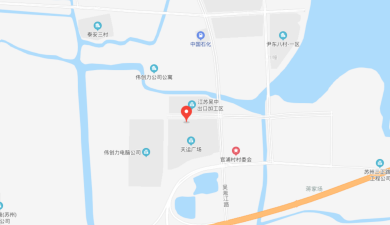

12th Floor, Building 5, Tianyun Plaza, 111 Wusongjiang Avenue, Guoxiang Street, Wuzhong District, Suzhou City

0512-66020899

0512-66022699

215124